

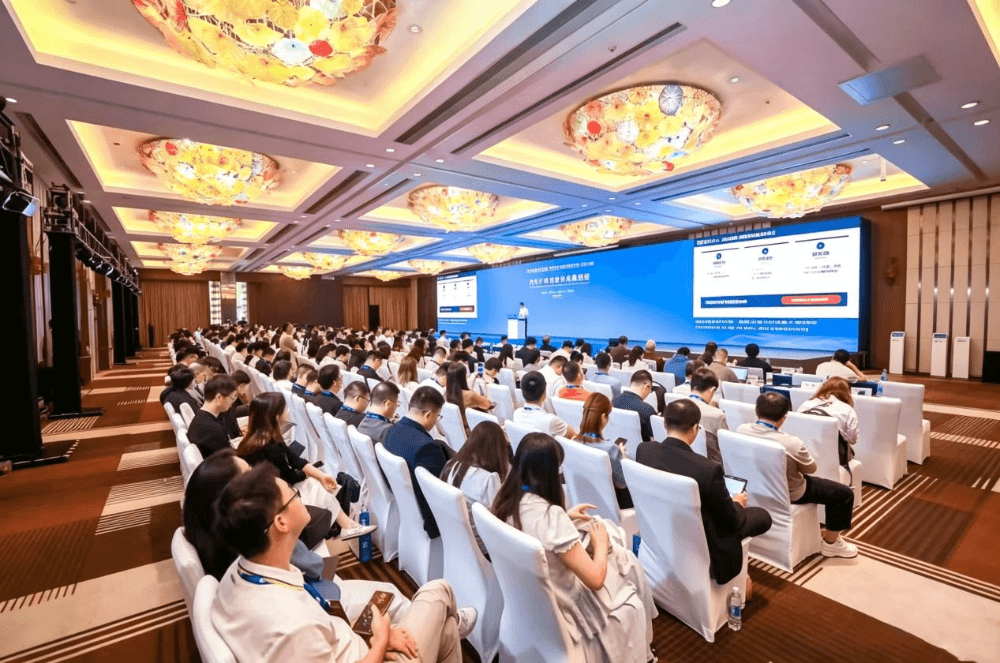
The Global New Energy Vehicle Cooperation and Development Forum (GNEV2026) was held in Shanghai from August 19 to 21. Under the theme “New Paths for Global Cooperation in the Automotive Industry,” the forum brought together participants from government, industry, academia, and research to discuss policy, technical collaboration, and cooperation across regional markets.
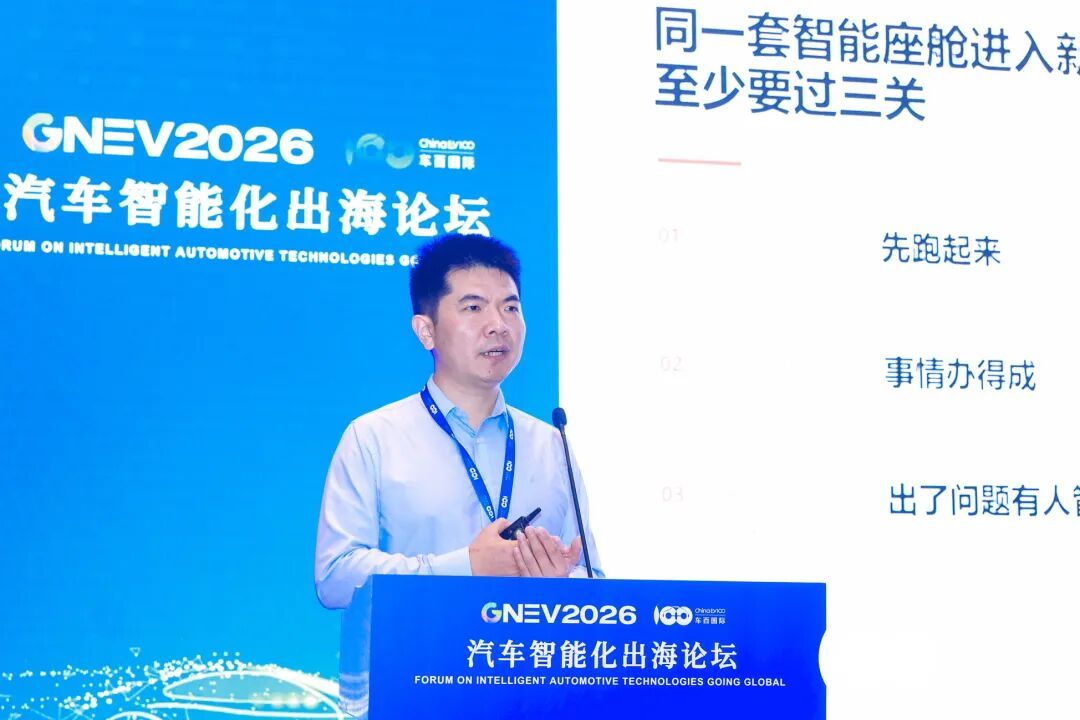
On the morning of August 21, JDO founder and CEO Yifei Wang was invited to speak at a forum on taking automotive intelligence overseas. His keynote, “The Next Stage of Global Expansion for Automotive Intelligence: From Product Delivery to Joint Development of Local Capabilities,” drew on more than a decade of JDO's experience in automotive cockpit AI and digital technology. He outlined a path for Chinese automotive intelligence to move beyond entering overseas markets toward becoming established within them.
Intelligent Cockpits in New Markets: From Getting Started to Sustained Support
Wang said Chinese automotive intelligence has become a benchmark for the global industry, but bringing it overseas involves more than copying a domestic solution. He described three stages for introducing intelligent cockpits in a new market. First, the in-vehicle system, maps, local accounts, and cloud services must fit local conditions and run reliably. Next, local ecosystem services—including payments, charging and refueling, and connected-vehicle services—must work together to meet users' needs. Finally, a long-term operating and maintenance system must be in place so that updates continue and services remain available over time.
From a Global Platform to Joint Ecosystem Development
Building on these observations, Wang described three areas of capability development that JDO sees as central to taking automotive intelligence overseas:
First, build a global platform. Chinese automakers cannot simply replicate a domestic platform overseas. They need to plan for a global platform and carefully decide which capabilities can be shared across markets and which must be rebuilt locally. JDO's cockpit architecture is based on its independently developed Canghai large AI model. Its service capabilities are available through MCP, enabling flexible adaptation to local regulatory requirements. For example, a cloud-based model can be replaced with a model that meets local requirements, while on-device models can be adapted to local needs.
Second, provide continuous service. In the era of large AI models, the start of production (SOP) marks the beginning of ongoing work, not its end. Each market requires attention to local laws and regulations, cloud deployment, user privacy agreements, and the handling of biometric data. Service updates cannot follow the 18- to 36-month cycle of vehicle development; they need to respond to local requirements over weeks or months.
Third, develop the ecosystem together. Automakers, platform companies, and local partners need to coordinate their responsibilities. JDO has built two layers of overseas cooperation: it has completed in-depth integration with chip partners including Qualcomm and has served more than 30 automakers worldwide, including BBA, Porsche, and Bentley, across luxury, joint-venture, and Chinese brands. It has also established partnerships with more than 100 ecosystem partners worldwide, covering navigation, music, video, gaming, mobility, and local services to address practical travel needs in overseas markets.
Moving from product delivery to the joint development of local capabilities is, in Wang's view, the path for Chinese automotive intelligence overseas. JDO has built on its domestic experience in intelligent cockpits while bringing that technical experience to global markets. Going forward, it plans to continue focusing on technical innovation, a global platform, continuous service, and ecosystem development. Together with automakers and partners worldwide, it aims to create intelligent mobility experiences that better understand users and feel more responsive to their needs.